
Discovering the hidden science behind emotional recovery reveals how trauma rewires neural pathways, especially in the amygdala, creating automatic responses like shame and hypervigilance. Neuroplasticity shows your brain can rewire itself through intentional practices like mindfulness, compassion, and emotional awareness. These methods activate the prefrontal cortex, fostering resilience and healing. The nervous system’s ability to recover through calming cycles supports emotional regulation. If you’re curious how consistent effort transforms pain into growth, explore what more the science has uncovered.
Key Takeaways
- Neuroplasticity enables the brain to rewire neural pathways, replacing maladaptive responses with healthier emotional regulation strategies.
- Trauma and shame activate the amygdala, reinforcing stress responses; healing involves rewiring these neural circuits through targeted therapies.
- Mindfulness, movement, and social connection strengthen parasympathetic pathways, promoting emotional resilience and automatic recovery cycles.
- Reprocessing embedded memories via techniques like EMDR helps integrate traumatic experiences into healthier neural patterns.
- Self-compassion activates the prefrontal cortex, reducing fear responses and fostering lasting emotional healing through neural rewiring.
How Trauma Alters Neural Pathways in the Brain
Have you ever wondered how a traumatic experience can leave a lasting imprint on your brain? It’s because trauma rewires your neural pathways through a process rooted in neuroplasticity. During trauma, the amygdala—your brain’s threat detector—deeply encodes intense, emotionally charged memories, making them feel uncontrollable. This event also reshapes your brain’s wiring, strengthening connections linked to fear and stress responses. As a result, your neural circuits become hyperactive, especially within the default mode network, keeping you in a state of hyperarousal long after the danger is gone. These stress responses embed themselves in your neural pathways, triggering automatic reactions like panic or hypervigilance without conscious thought. The good news is that neuroplasticity offers hope—your brain can change. Through targeted therapeutic interventions, these altered pathways can be reshaped, allowing for emotional healing and the gradual reorganization of neural connections to restore balance.
Neuroplasticity: The Brain’s Power to Rewire
Your brain is remarkably adaptable, constantly reshaping itself in response to your experiences. This ability to rewire neural connections means that, with intentional effort, you can foster emotional healing and growth. By understanding how your brain changes through practice, you gain a powerful tool for recovery and resilience.
Brain’s Adaptive Nature
Neuroplasticity is the remarkable ability of the brain to rewire itself by forming new neural connections throughout life, enabling it to adapt in response to injury, trauma, or emotional challenges. This neuroplasticity highlights the brain’s incredible capacity for growth and change, even in adulthood. When you engage in consistent mental exercises or therapies, you stimulate neural pathways associated with emotional regulation, encouraging healthier responses. The brain’s adaptive nature means it can replace maladaptive patterns with more positive ones, fostering emotional resilience. This rewiring process isn’t limited by age; it persists throughout your life, allowing ongoing recovery and growth. Recognizing neuroplasticity’s power helps you understand that emotional healing isn’t static—your brain is continually capable of reshaping itself to support your well-being.
Rewiring Through Experience
Because experiences—especially repeated or focused ones—can shape the brain’s wiring, they play a crucial role in rewiring neural pathways through neuroplasticity. Your brain adapts by forming new connections, allowing you to replace maladaptive patterns with healthier responses. Engaging in consistent mental exercises like mindfulness or cognitive training can enhance this process, strengthening neural circuits associated with resilience and emotional regulation. Conversely, traumatic experiences may create stubborn, negative pathways, but therapy and conscious practice can facilitate rewiring. Understanding neuroplasticity empowers you to actively influence your brain’s structure, fostering growth and recovery.
- Repetition reinforces neural connections, making new behaviors habitual
- Focused attention targets specific neural circuits for rewiring
- Learning new skills promotes adaptive brain changes
- Therapeutic interventions can reverse maladaptive pathways
The Biological Impact of Shame and Its Roots

Your brain forms neural pathways through early experiences, especially when neglect or criticism create associations between love and pain. These pathways activate the amygdala, triggering intense emotional responses like shame and stress whenever similar situations arise. Recognizing that shame is rooted in these learned circuits allows you to approach it with compassion and begin rewiring for healing.
Neural Pathways Formation
Shame deeply imprints itself within the brain’s neural architecture, particularly in the amygdala, where it activates circuits that reinforce survival mechanisms tied to social rejection. These neural pathways become strengthened with repeated shame, making the emotion more automatic and accessible. Childhood neglect and criticism often create maladaptive neural pathways, embedding shame as a default response to perceived failure or rejection. Over time, these pathways are reinforced through synaptic strengthening, making shame deeply ingrained. Fortunately, neural plasticity offers hope: with conscious awareness and compassion, these shame-related neural pathways can be rewired. This process involves weakening maladaptive circuits and building healthier ones, ultimately reducing the automatic activation of shame and fostering emotional resilience.
- Childhood experiences shape these neural blueprints.
- Repeated shame strengthens specific synaptic connections.
- Neural plasticity allows for rewiring of shame-related pathways.
- Conscious effort can diminish automatic shame responses.
Emotional Response Triggers
The biological impact of shame extends beyond mere feelings, deeply influencing brain function and bodily responses. When shame activates the amygdala, it triggers a fight-or-flight response, releasing stress hormones like cortisol that heighten tension and alertness. Over time, neural pathways associated with shame become reinforced, especially through repeated emotional experiences, creating automatic responses that feel ingrained. Childhood neglect or criticism can shape neural blueprints linking love with pain, making shame a default reaction. Trauma-related shame isn’t just in the mind; it’s stored as bodily memory within the nervous system, often reactivating without conscious awareness. However, compassionate self-awareness can help calm these neural pathways, reducing the amygdala’s activity and engaging the prefrontal cortex to foster healing and emotional resilience.
Healing Through Compassion and Self-Love
Healing through compassion and self-love is a powerful process rooted in the brain’s ability to rewire itself in response to positive emotional experiences. When you practice self-compassion and acts of kindness, your neural pathways associated with shame and self-criticism weaken, fostering resilience and emotional recovery. Compassion activates your prefrontal cortex, enhancing emotional regulation and lowering stress responses, while increased oxytocin from kind acts promotes bonding and healing. These changes reinforce adaptive neural connections, supporting healthier self-perceptions over time.
Practicing self-compassion rewires the brain for resilience and emotional healing.
- Self-love rewires neural pathways, replacing negative self-talk with positive self-perceptions
- Compassion reduces activity in the amygdala, decreasing fear and anxiety
- Repeated acts of kindness strengthen neural circuits linked to emotional bonding
- Long-term nurturing of self-compassion fosters durable neural connections that bolster resilience
The Role of the Nervous System in Emotional Regulation
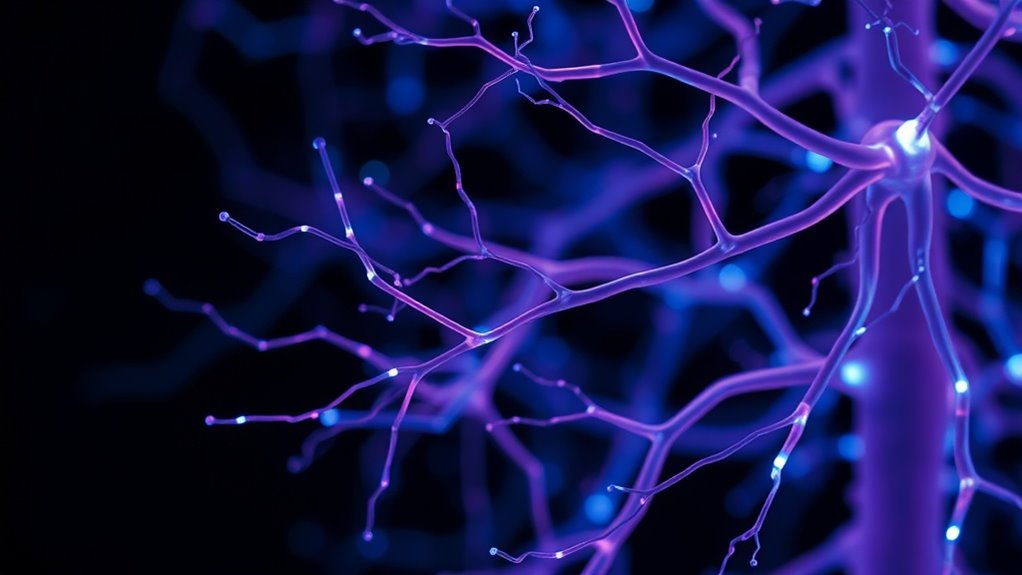
Your nervous system plays a vital role in how you manage emotions, constantly balancing activation between stress and calm states. When it perceives safety, your parasympathetic response promotes automatic recovery, helping you regain emotional stability, while chronic stress can disrupt this balance. Understanding this resilience offers insight into how your body naturally supports emotional regulation and recovery cycles.
Nervous System Resilience
While our nervous system is often unseen, it plays a crucial role in how we manage emotions, acting as the body’s internal regulator. Resilience in your nervous system enables you to shift swiftly from stress to calm, thanks to neuroplasticity—your brain’s capacity to rewire itself. This adaptability supports recovery from trauma and enhances emotional stability. Practices like deep breathing, mindfulness, and movement stimulate the vagus nerve, boosting parasympathetic activity. A resilient nervous system can better handle stressors, reducing emotional dysregulation and chronic anxiety.
- Neuroplasticity allows neural pathways associated with stress to be rewired toward regulation.
- Vagal tone modulation enhances your ability to switch from fight-or-flight to rest-and-digest modes.
- Enhanced resilience improves recovery from emotional setbacks.
- Consistent practices strengthen your nervous system’s capacity for adaptability.
Emotional Response Regulation
The nervous system’s ability to regulate emotional responses hinges on the intricate balance between its sympathetic and parasympathetic branches. When functioning ideally, your parasympathetic system, significantly via the vagus nerve, promotes calmness and emotional stability. Through neuroplasticity, neural pathways involved in emotional responses can be strengthened or weakened, shaping how you process feelings over time. Techniques like deep breathing and mindfulness activate the parasympathetic state, lowering stress hormones and fostering resilience. Conversely, trauma-related dysregulation can heighten emotional reactivity, but targeted interventions can retrain these pathways. By understanding and leveraging neuroplasticity, you can enhance your nervous system’s capacity for emotional regulation, transforming how you respond to stress and fostering a more balanced, resilient emotional landscape.
Automatic Recovery Cycles
Automatic recovery cycles are essential processes within the nervous system that help restore emotional balance without requiring conscious effort. These cycles involve recognition, neural processing, and the integration of emotional experiences through subconscious neural pathways. When triggered, the parasympathetic nervous system activates, calming your body after emotional activation. This process is supported by small, consistent actions like breathing or gentle movement, which facilitate the natural functioning of these cycles. Understanding how these neural pathways operate can deepen your awareness of emotional resilience and healing. By supporting these automatic cycles, you enable smoother progressions from distress to calm, fostering long-term emotional stability. Recognizing their role emphasizes the importance of nurturing your nervous system’s innate capacity for recovery and resilience.
- Neural pathways facilitate subconscious emotional processing
- Parasympathetic activation promotes calm and recovery
- Small actions support the speed and efficiency of cycles
- Consistent nurturing enhances emotional resilience
Recognizing and Releasing Deeply Embedded Memories
Recognizing deeply embedded memories is a crucial step in emotional recovery because these memories often operate beneath conscious awareness, yet they continue to influence your feelings and reactions. Stored within the brain’s limbic system, especially the amygdala, they are associated with intense emotional responses, making them feel vivid and involuntary. Thanks to neuroplasticity, your brain can reprocess and integrate these memories through targeted therapies like EMDR and cognitive restructuring. By identifying triggers that activate these embedded memories, you gain insight into their influence on your emotional state. This awareness allows you to work consciously to activate neural pathways in a safe environment, gradually weakening their hold. Recognizing these memories isn’t about erasing the past but understanding how they shape your present. Through this process, neuroplasticity helps your brain adapt, paving the way for emotional healing and resilience by rewiring the neural connections associated with these deeply embedded memories.
Strategies for Supporting Emotional and Neural Rebuilding
Implementing intentional strategies to support emotional and neural rebuilding can considerably enhance your recovery process. Strengthening neural pathways involved in emotional regulation is essential for resilience. Mindful practices like meditation and deep breathing activate the parasympathetic nervous system, fostering neural regulation and emotional calmness. Physical activities such as walking, stretching, or yoga release endorphins and serotonin, which aid neural healing and boost mood. Recognizing and labeling your emotions with awareness reinforces neural pathways that govern emotional regulation, making recovery more sustainable. Additionally, supporting your brain’s natural recovery cycles through proper rest, hydration, and balanced nutrition enhances neuroplasticity and resilience. Developing routines that promote social connection and safety helps reinforce neural circuits associated with stability, further accelerating healing.
- Engage in daily mindfulness exercises to solidify neural pathways for emotional control
- Incorporate regular physical activity to promote neural regeneration and mood stability
- Practice emotional awareness to strengthen neural circuits involved in regulation
- Prioritize sleep, hydration, and nutrition to optimize neural plasticity
The Connection Between Mindfulness and Brain Rewiring
Mindfulness practices serve as powerful tools in reshaping the brain’s emotional landscape by actively rewiring neural circuits. Through consistent engagement, you enhance activity in your prefrontal cortex, which improves emotional regulation and decision-making. This process leverages neuroplasticity—the brain’s ability to form new connections—allowing you to develop healthier thought patterns. Regular mindfulness meditation promotes the growth of new neural pathways, helping to replace negative habits with more adaptive responses. Studies show that mindfulness also reduces amygdala activity, lowering stress and fostering calmness. Additionally, mindfulness-based interventions increase gray matter density in regions linked to attention, compassion, and self-awareness, further supporting emotional resilience. By consciously rewiring neural circuits involved in negative thinking, you strengthen your capacity to recover emotionally. This connection between mindfulness and brain rewiring underscores how intentional mental practices can transform your neural architecture, empowering you to navigate recovery with greater clarity and stability.
The Long-Term Benefits of Consistent Emotional Work
Have you ever wondered how sustained emotional effort can shape your mental future? Consistent emotional work leverages neuroplasticity, allowing your brain to rewire itself for healthier responses. Over time, this strengthens neural pathways associated with resilience, fostering long-term mental stability. Regular emotional processing not only enhances your capacity to manage stress but also promotes the release of positive neurochemicals like oxytocin and serotonin, boosting overall well-being. As you persist, these efforts create lasting structural changes in your brain, reducing the frequency and impact of traumatic flashbacks and triggers. This ongoing commitment to emotional healing transforms your mental landscape, making adaptive responses more automatic and ingrained.
- Reinforces neural pathways linked to resilience and stability
- Facilitates brain rewiring for healthier emotional responses
- Elevates neurochemical levels to support emotional balance
- Produces lasting structural brain changes that sustain mental health
Embracing Growth: Transforming Pain Into Personal Power
Building on the foundation of emotional work that rewires your brain for resilience, embracing growth involves actively transforming pain into a source of personal empowerment. Neuroplasticity plays a pivotal role here, allowing your brain to rewire itself in response to new experiences and perspectives. When you reframe trauma through storytelling and emotional regulation, you engage neural pathways that foster resilience and facilitate healing. This process turns suffering into an opportunity for self-discovery and strength, with 50-66% of trauma survivors experiencing post-traumatic growth beyond pre-trauma levels. Supportive relationships and community engagement further enhance this transformation, providing emotional validation and encouragement. Recognizing pain as a catalyst for growth empowers you to harness adversity as a tool for greater self-awareness. By consciously nurturing this process, you activate neuroplasticity, enabling you to develop new strengths and resilience, ultimately transforming pain into personal power.
Common Questions
Can Trauma Be Completely Erased From Neural Pathways?
Trauma can’t be completely erased from neural pathways, as neural erasure is complex and varies per individual. While therapy and neuroplasticity can help rewire and lessen the emotional impact, the original trauma often remains encoded in some form. You might find relief and healing, but complete neural erasure is unlikely. Instead, focus on resilience and coping strategies to manage and integrate past experiences more healthily.
How Long Does It Typically Take to Rewire the Brain After Trauma?
Rewiring your brain after trauma varies based on neural durability, individual resilience, and therapy efforts. Typically, it can take months to years of consistent practice like therapy, mindfulness, and positive experiences. Neural durability influences how quickly pathways adapt; stronger neural resilience may expedite recovery. Be patient; healing isn’t linear. Your brain can rewire, but it requires time, support, and effort to form new, healthier pathways and restore emotional stability.
Are Some Individuals More Biologically Resistant to Emotional Healing?
Biological resistance can make some individuals more resistant to emotional healing, as genetics, brain chemistry, and past trauma influence resilience. You might find that your biological makeup affects how quickly you recover, with some experiencing slower progress despite effort. Understanding this resistance helps you be patient and compassionate with yourself, recognizing that healing isn’t solely about willpower, but also about addressing underlying biological factors through tailored approaches like therapy or medication.
What Role Do Genetics Play in Trauma Recovery and Neural Plasticity?
Genetic influence considerably shapes how you recover from trauma and your neural plasticity. Your genes can determine the resilience of your nervous system, influencing how easily you adapt and heal. Some individuals have genetic variations that promote faster neural rewiring, while others may face challenges due to genetic predispositions. Recognizing this helps you understand that emotional recovery isn’t solely about effort but also about biological factors, fostering empathy and tailored approaches.
Is It Possible to Prevent Trauma From Creating Lasting Neural Changes?
You can steer clear of lasting neural changes by fostering neural resilience through proactive coping strategies, therapy, and social support. While trauma can leave lasting marks, your brain’s plasticity offers a silver lining—meaning recovery is possible. It’s like preventing a small spark from igniting a wildfire; early intervention and consistent self-care help rewire neural pathways, reducing the risk of deep-seated trauma. Stay resilient, and you can influence your brain’s healing journey.
Summary
As you journey through emotional recovery, remember that your mind is both a battlefield and a sanctuary, capable of healing even the deepest wounds. By understanding how trauma rewires neural pathways and harnessing neuroplasticity through compassion, mindfulness, and self-love, you hold the pen to rewrite your story. Embrace this process as a delicate yet resilient dance—transforming pain into a wellspring of personal power, illuminating the path toward lasting emotional harmony.