
When you create moments of stillness in your day, you allow your mind and body to reset, reducing stress and boosting clarity. These pauses activate your relaxation response, calming nerves and easing tension. Even brief breaths or mindful pauses can help you feel more grounded and resilient amid life’s chaos. Over time, this practice promotes emotional balance and mental focus. Keep exploring ways to incorporate stillness—your well-being will thank you.
Key Takeaways
- Stillness activates the parasympathetic nervous system, reducing stress hormones and promoting relaxation.
- Regular moments of stillness improve mental clarity, focus, and emotional resilience.
- Pausing helps recognize overwhelm early, allowing for intentional resets and emotional balance.
- Deep breathing and mindful movement release physical tension, fostering calm and grounding.
- Consistent stillness practices support better sleep, memory, creativity, and overall well-being.
The Transformative Power of Stillness in a Fast-Paced World
In a world that moves faster every day, it’s easy to feel overwhelmed and disconnected. Stillness offers a gentle refuge, activating your parasympathetic nervous system and reducing stress hormones like cortisol by up to 50%. Even brief moments of calm can markedly improve mental clarity and focus, helping you cut through cognitive fatigue caused by constant stimulation. Incorporating regular periods of silence and meditation not only calms the mind but also boosts emotional regulation and resilience, making you better equipped to handle daily pressures. Just five minutes of intentional stillness each day can foster feelings of calm, hope, and enhanced well-being, influencing brain activity patterns positively. Practicing stillness counteracts the effects of a busy life, supporting better sleep, sharper memory, and greater creative thinking. It’s a simple yet powerful way to reconnect with yourself amid the chaos, nurturing overall health and inner peace.
Recognizing the Signs of Overwhelm and the Need for Pause
As you cultivate moments of stillness in your daily routine, it’s equally important to recognize when you’re feeling overwhelmed and in need of a pause. Signs of overwhelm often show up as constant fatigue, irritability, or difficulty focusing, signaling your nervous system needs a reset. Physical tension, headaches, muscle tightness, or a racing heart are clear indicators that it’s time to slow down. When stress responses are frequently triggered, your body shows signs that stillness and mindfulness are necessary to restore balance. Feeling disconnected from your body or racing thoughts can also point to burnout if ignored. Recognizing these early warning signs allows you to create intentional pauses, giving yourself the space to breathe, reflect, and recalibrate. Embracing stillness isn’t a sign of weakness but a crucial step toward nurturing your mental and physical well-being amidst life’s busyness.
Practical Daily Practices to Cultivate Inner Calm
Integrating small, intentional practices into your daily routine can considerably enhance your sense of inner calm. By consciously connecting your mind and body through simple actions, you create space for inner stillness amid daily chaos. Taking deep breaths or closing your eyes for a minute every hour helps you reset and reconnect with your sense of calm. Practicing mindful movement, like slow stretching or gentle yoga, engages your body in relaxation and promotes a peaceful state throughout the day. Dedicating a few minutes each day to focused breathing exercises or meditation cultivates a steady sense of stillness that ripples through your entire being. Using natural sounds or calming visuals during these moments deepens your presence and fosters inner tranquility. Establishing routines of intentional pauses between tasks allows you to slow down, reflect, and reset your mental and emotional state, nurturing a resilient sense of inner calm through practical daily practices.
Movement as a Path to Stillness and Stress Relief
Moving mindfully through gentle sequences can be a powerful way to cultivate inner stillness and reduce stress. When you slow down and pay attention to your movement, you activate your parasympathetic nervous system, encouraging relaxation and calming your mind. This intentional movement helps release physical tension stored in your body, creating a sense of ease and stillness from within. Practices like yoga and Qigong foster body awareness, helping you stay present and grounded. Extended poses in Yin or Restorative Yoga allow emotional release and deepen your self-awareness, leading to mental clarity. Synchronizing your breath with gentle movements anchors your attention in the present moment, easing feelings of overwhelm. When movement becomes a meditative practice, it transforms physical activity into a pathway for profound stillness and inner peace. This mindful approach to movement not only relieves stress but also nurtures a quiet, resilient sense of calm that stays with you.
Harnessing Neuroscience and Mindfulness to Deepen Stillness
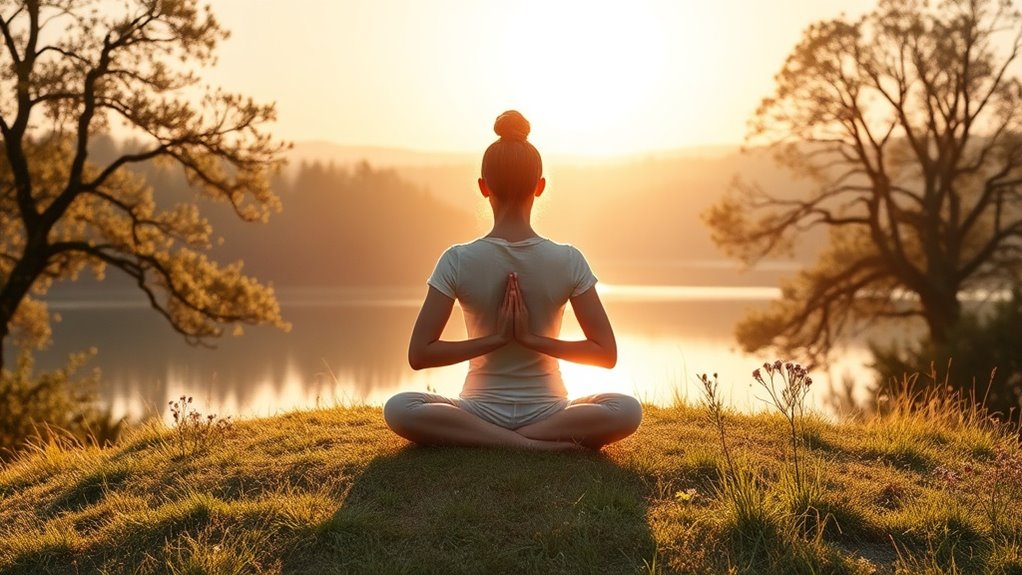
By practicing mindful breathing, you activate your body’s relaxation response, helping to calm your mind and body. Neuroscience shows that with consistent effort, your brain can rewire itself, strengthening pathways that support clarity and emotional balance. This process of neuroplasticity allows you to shape mental habits, fostering deeper moments of stillness even amid life’s chaos.
Neuroplasticity and Mental Shaping
Understanding neuroplasticity reveals how your brain can be reshaped through mindful practices, making stillness a more natural state. When you consistently engage in mindfulness and meditation, your brain rewires, strengthening pathways linked to calm and inner peace. This process increases gray matter in areas responsible for emotional regulation and stress reduction. Regular deep breathing and focused attention activate the parasympathetic nervous system, further promoting relaxation. Over time, these mental habits reshape neural circuits, making states of stillness more accessible and effortless.
- You can rewire your brain to favor calm through mindful repetition
- Neural pathways associated with stress diminish, enhancing emotional balance
- Consistent mental shaping makes stillness and serenity your default state
Mindful Breathing Techniques
Since your breath is always with you, it serves as a powerful anchor to access deeper states of stillness and calm. Mindful breathing invites you to focus intentionally on each inhale and exhale, activating your parasympathetic nervous system to promote relaxation. Slow, deep breaths help reduce stress hormones like cortisol, calming your nervous system. Techniques such as diaphragmatic or box breathing can deepen this effect, lowering blood pressure and fostering inner stillness. Visualization combined with conscious breathing enhances feelings of calm by engaging sensory pathways, quieting mental chatter. Practicing mindful breathing for just a few minutes daily rewires neural pathways, boosting emotional resilience and reducing anxiety. By harnessing these simple techniques, you create a foundation for profound stillness and balance in your life.
Creating Space: Simple Techniques for Instant Relaxation
When you need a quick moment of calm, focusing on your breath can be surprisingly effective—just a few slow, deep inhales and exhales can soothe your nerves instantly. Pausing for a brief mindful moment, even for 30 seconds, helps clear mental clutter and restore your sense of balance. Simple practices like visualizing a peaceful scene or setting gentle reminders throughout the day can create space for instant relaxation whenever you need it.
Breath Awareness Techniques
Have you ever noticed how a simple breath can instantly bring you back to the present moment? When you focus on your breath, you create space between your mind and body, fostering stillness. Slow, deep breaths activate your parasympathetic nervous system, easing stress and calming your entire being.
Here are a few breath awareness techniques to deepen your sense of calm:
- Observe the sensation of air entering and leaving your body, anchoring you in the present.
- Engage diaphragmatic breathing by expanding your belly on inhale and gently contracting on exhale, cultivating calm.
- Visualize a soothing scene during each breath, enhancing relaxation and inner stillness.
Quick Mindful Pauses
Taking a moment to pause during your busy day can create an immediate sense of space and calm. These quick mindful pauses help you reconnect with your breath, body, and surroundings, fostering relaxation and balance. Simple actions like taking a deep breath or shifting your gaze to a distant scene reset mental clutter and ease tension. Gentle stretches or noticing your heartbeat bring mindfulness into your day, cultivating presence. To make it easy, set a timer to remind you to pause every hour, creating consistent micro-moments of stillness. These brief but intentional pauses can markedly reduce stress and enhance your overall well-being.
| Action | Benefit |
|---|---|
| Deep breath & close eyes | Activates the relaxation response |
| Focus on a distant object | Clears mental clutter, promotes calm |
| Gentle stretching | Releases physical tension, fosters relaxation |
| Notice heartbeat or breath | Builds awareness, grounding in the present |
| Use a timer | Creates consistent moments of stillness |
Embracing Solitude and Reflection for Deeper Connection
Embracing solitude and reflection offers a gentle space where you can reconnect with your inner self beyond the noise of everyday life. In stillness, you create room for greater self-awareness, allowing you to process experiences more deeply and clarify your emotions. Regular moments of solitude help you reduce mental clutter and align your actions with your core values, fostering a sense of inner balance. Reflection during quiet times enhances your intuition, guiding you toward authentic choices and a stronger connection with yourself. When you intentionally seek these peaceful moments, you cultivate a calmer nervous system, decreasing overstimulation and stress. This practice nurtures a stronger sense of presence, peace, and clarity.
Embrace solitude to reconnect, deepen self-awareness, and cultivate inner peace through mindful reflection and stillness.
- Discover how solitude deepens your understanding of your true self
- Use reflection to align your actions with your inner purpose
- Experience stress relief through calming stillness and mindful pauses
Building a Sustainable Routine of Mindful Pause and Restoration
Establishing a sustainable routine of mindful pauses and restoration is essential for maintaining balance amidst life’s busyness. When you integrate regular mindful pauses—like deep breathing or gentle stretches—you activate your parasympathetic nervous system, which helps reduce stress. Scheduling short, intentional breaks every 25-30 minutes can boost your focus, prevent burnout, and sharpen mental clarity. Creating a daily routine that includes moments of silence or reflection allows you to rebuild resilience and nurture emotional balance. Tools such as meditation apps or guided visualizations during restorative breaks can deepen your relaxation and make these habits more sustainable. Prioritizing these self-care moments of stillness not only replenishes your energy but also promotes long-term overall well-being. When you make mindful pause and restoration a consistent part of your routine, you develop a resilient foundation that supports both your mental health and daily productivity.
Common Questions
What Does a Moment of Stillness Mean?
A moment of stillness means embracing mindful meditation and peaceful silence, where you focus your awareness inward. It’s a calming presence that allows you to pause, breathe, and tune into your body and mind. During this time, you create space for clarity and emotional balance, helping you reconnect with your inner self. These moments help reduce stress, foster mindfulness, and bring a gentle sense of calm and safety into your day.
What Is the Balance Between Movement and Stillness?
The balance between movement and stillness is about integrating mindfulness practice into your daily routine, allowing you to cultivate energetic equilibrium. Move intentionally, then pause to breathe and reflect, fostering mental clarity and emotional stability. This harmonious rhythm nurtures your well-being, helping you stay centered amid life’s demands. By honoring both activity and rest, you create a supportive space where your mind and body can harmonize, leading to greater overall resilience.
What Is a Quote About Stillness?
A quote about stillness is, “In the peaceful silence, we find our true strength.” It reminds you that mindful meditation and calm reflection reveal quiet awareness within. Stillness isn’t about doing nothing; it’s about embracing peaceful silence to reconnect with yourself. When you create these moments, you cultivate clarity and inner calm, allowing your mind to settle and your spirit to grow in the gentle presence of quiet awareness.
Why Is Stillness so Powerful?
Stillness is powerful because it allows you to cultivate mindfulness practice, helping you find inner calm amidst chaos. When you embrace moments of stillness, you gain mental clarity and emotional resilience, making it easier to navigate challenges with a steady mind. This quiet space nurtures self-awareness, deepening your understanding of yourself, and fosters a sense of safety and peace that supports overall well-being.
Summary
Remember, sometimes the quietest moments hold the loudest truths. By gently carving out space for stillness in your day, you allow yourself to gently realign and renew. It’s in these subtle pauses that your true balance begins to unfold, like a delicate bloom opening to the sun. Trust in the soft power of stillness—you’re nurturing a quiet strength that guides you toward calm, clarity, and a deeper sense of connection with yourself.