
Mindful movement outperforms intense exercise for energy by promoting deep relaxation, reducing stress, and supporting your body’s natural regulation. It helps you build sustainable energy through gentle, controlled movements that prevent burnout and enhance body awareness. This approach fosters emotional stability, better sleep, and long-term resilience without the exhaustion that comes from high-impact workouts. If you stay with this gentle practice, you’ll discover more ways to cultivate lasting vibrancy and calm.
Key Takeaways
- Mindful movement activates the parasympathetic nervous system, promoting relaxation and sustainable energy, unlike intense exercise which often causes fatigue.
- It enhances internal regulation and body awareness, preventing overexertion and supporting steady, long-lasting energy levels.
- Gentle, controlled movements improve oxygenation and mitochondrial function, boosting energy without the burnout risk of high-impact workouts.
- Mindfulness reduces stress hormones like cortisol, which drain energy, leading to more consistent vitality over time.
- Regular mindful practice fosters emotional resilience and positive mood states, sustaining motivation and energy without exhaustion.
Enhances Relaxation and Reduces Stress
Because mindful movement encourages you to stay present with your sensations, it naturally fosters a sense of calm. When you focus on gentle, deliberate motions and your breath, your parasympathetic nervous system activates, promoting relaxation and soothing stress hormones like cortisol. This mindful approach helps decrease mental chatter, making it easier to let go of anxiety and mental tension. Unlike high-intensity workouts, slow movements combined with deep breathing enhance your body’s relaxation response more effectively, helping you feel grounded and centered. Regular practice can lower your blood pressure and heart rate, signaling reduced physiological stress. Over time, this mindful movement supports better sleep by calming your nervous system and easing mental tension. It’s a gentle, compassionate way to reduce stress and cultivate relaxation, allowing you to reconnect with your body and find peace amid daily pressures.
Promotes Sustainable Energy and Prevents Burnout
When you choose mindful movement, you’re supporting your energy levels to stay steady without pushing too hard. This gentle approach helps prevent overexertion and keeps your routines sustainable over time. As a result, your mental resilience grows, and burnout becomes less likely.
Prevents Overexertion Risks
Engaging in mindful movement can profoundly reduce the risk of overexertion, helping you maintain a sustainable energy level. By focusing on controlled movement and paying attention to your bodily cues, you’re less likely to push beyond your limits, which is vital for injury prevention. Slow, deliberate motions allow you to listen to your body, preventing the fatigue and burnout often caused by high-intensity workouts. This gentle approach encourages a safer, more consistent practice that supports long-term well-being. Instead of risking exhaustion, mindful movement promotes gradual progress, ensuring you stay energized without the danger of overexertion. Ultimately, it helps you develop a sustainable routine that nurtures your body while safeguarding against injury and burnout.
Supports Consistent Routine
Since mindful movement emphasizes slow, deliberate actions, it becomes easier to incorporate into your daily routine without feeling overwhelmed. This gentle approach fosters consistency by making physical activity feel accessible and enjoyable. When you practice regularly, it builds sustainable habits rooted in bodily awareness and pleasure, encouraging long-term adherence. The calm, controlled nature of mindful movement also minimizes fatigue and injury, so you stay engaged without exhaustion. This sustainable rhythm helps prevent burnout, ensuring you can maintain your routine over time.
| Mindful Movement | Intense Exercise |
|---|---|
| Gentle, adaptable | High-impact, rigid |
| Promotes consistency | Risk of burnout |
| Accessible for all | Often overwhelming |
Enhances Mental Resilience
Building on the gentle consistency of mindful movement, this practice also nurtures your mental resilience by promoting sustainable energy levels. Through mindfulness, you stay present, which helps you manage stress more effectively and recover quickly from fatigue. This focus on present-moment awareness supports the regulation of your nervous system, especially the parasympathetic branch, fostering long-term energy stability. Unlike intense exercise that can cause energy dips and exhaustion, mindful movement encourages a balanced energy flow and emotional regulation. Over time, it enhances neuroplasticity related to emotional resilience, helping you stay motivated and avoid mental fatigue. By integrating mindfulness into movement, you build a resilient mind that sustains energy and prevents burnout, leading to a more balanced, enduring sense of well-being.
Supports Better Sleep and Restorative Recovery
Have you ever wondered how mindful movement can improve your sleep? When you engage in gentle, intentional movement, you activate your parasympathetic nervous system, which promotes relaxation and enhances sleep quality. Regular practice helps reduce inflammation and boosts oxygenation, supporting your body’s natural restorative processes during rest. As you move mindfully, cortisol levels decrease, lowering stress that can otherwise disrupt your sleep patterns. This gentle approach encourages more deep sleep phases, which are essential for both physical and mental recovery. Additionally, mindful movement helps regulate your heart rate and breathing, fostering a calmer, more stable sleep cycle. By prioritizing awareness and gentle motion, you lay a foundation for restorative recovery each night. You’ll find that this kind of movement doesn’t just prepare you for sleep but also deepens its quality, allowing your body and mind to truly rejuvenate.
Boosts Emotional Balance and Mood Stability
Engaging in mindful movement can considerably enhance your emotional balance and stabilize your mood, especially during stressful times. This gentle practice triggers the release of mood-boosting hormones like dopamine, serotonin, and endorphins, which help create a more positive emotional landscape. Focused attention during mindful movement also reduces cortisol levels, lowering stress and promoting calmness. Additionally, the emphasis on present-moment awareness encourages you to regulate emotional responses more effectively, fostering greater mood stability. Regular practice offers a sustainable way to nurture emotional well-being. Consider these benefits:
- Boosts mood with natural chemicals that promote happiness and contentment.
- Reduces stress hormones, creating a calmer mental state.
- Enhances emotional regulation through focused attention.
- Supports long-term emotional resilience, decreasing anxiety and depression symptoms.
Incorporating mindful movement into your routine can help you maintain emotional harmony, providing a steady foundation for overall mood stability and well-being.
Improves Body Awareness and Internal Regulation
When you focus on mindful movement, you become more attuned to your body’s signals, helping you notice early signs of stress or fatigue. This heightened awareness encourages better energy regulation and a sense of calm. Over time, this practice strengthens your ability to stay balanced and respond gently to your internal needs.
Enhanced Sensory Awareness
By focusing your attention on physical sensations during movement, you can deepen your awareness of your body’s subtle signals. This enhanced sensory awareness creates a stronger connection between your body and mind, supporting better internal regulation. As you tune into these cues, you may notice:
- Early signs of fatigue or stress, allowing timely adjustments
- Increased proprioception and interoception, improving overall vigor
- Activation of the parasympathetic nervous system, promoting relaxation
- A more balanced energy flow, reducing the need for external stimulation
This mindful approach helps you sustain energy naturally, fostering resilience over time. With gentle focus, you nurture a compassionate relationship with your body, enhancing internal regulation and restoring harmony between body and mind.
Better Energy Regulation
Since mindful movement encourages you to tune into your body’s signals, it naturally enhances your awareness of internal cues that regulate your energy levels. By practicing slow breathing and deliberate movement, you support your autonomic nervous system, fostering better internal regulation of energy. Increased body awareness helps you recognize signs of fatigue or overstimulation early, allowing you to pace yourself accordingly. This mindful approach strengthens neural pathways related to self-regulation and emotional control, making your energy management more consistent. Additionally, focusing on your body’s signals prevents overexertion, promoting sustainable energy throughout the day. Evidence shows that mindful movement improves core physiological functions like oxygenation and heart rate variability—key factors in maintaining stable, balanced energy levels.
Encourages Consistency and Long-Term Engagement
Engaging in mindful movement can make it easier to stay committed to your routine over the long term because it focuses on enjoyment and awareness rather than pushing yourself to the limit. When your practice is rooted in mindfulness, you’re more likely to find consistency because it fulfills psychological needs like autonomy and competence. This fuels long-term engagement, turning movement into a sustainable habit.
Consider these aspects:
- Enjoyment keeps you coming back without feeling burdened.
- Awareness promotes listening to your body, preventing burnout.
- Sustainable routines reduce injury risks and fatigue.
- Building consistent habits creates cumulative energy benefits over time.
Facilitates Gentle Endurance Building
Gentle mindful movement creates a supportive foundation for building endurance at a comfortable, sustainable pace. By focusing on slow, controlled motions, you can enhance your aerobic capacity without risking overexertion. This low-impact approach allows you to sustain activity longer, fostering endurance gradually. As you breathe more deeply and move deliberately, oxygen intake and circulation improve, boosting stamina over time. Consistent mindful movement also stimulates mitochondrial function, supporting sustainable energy production. Additionally, this practice reduces stress hormones like cortisol, helping your body recover and adapt more effectively. To visualize how mindful movement promotes endurance, consider this table:
| Benefit | Effect | Why It Matters |
|---|---|---|
| Endurance Development | Builds stamina gradually | Prevents burnout |
| Low-Impact Exercise | Gentle on joints | Suitable for all ability levels |
| Improved Circulation | Enhances oxygen delivery | Supports sustained activity |
| Stress Reduction | Lowers cortisol levels | Boosts recovery |
| Sustainable Energy | Boosts mitochondrial health | Ensures long-term vitality |
This gentle, mindful approach nurtures resilience and energy over time.
Cultivates Joy and Mindful Enjoyment in Movement
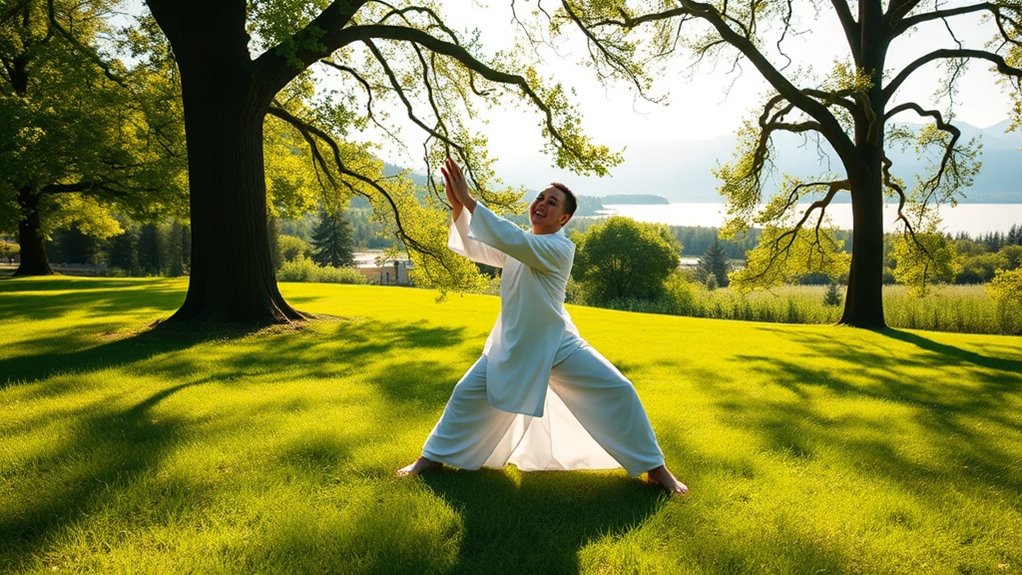
Incorporating mindfulness into movement can transform exercise from a routine into a source of genuine joy and connection. When you practice mindful movement, you slow down, tune into your senses, and focus on each breath and sensation. This shift fosters a sense of joy and enjoyment that often gets lost in high-intensity workouts.
Consider these aspects:
Embrace sensory awareness, present focus, and playful curiosity to transform your movement into joyful, meaningful moments.
- Sensory awareness deepens your connection to each movement.
- Present-moment focus enhances emotional well-being.
- Positive emotions increase as you embrace the process, not just the outcome.
- Playful curiosity turns workouts into pleasurable, meaningful activities.
Common Questions
What Form of Exercise Gives You the Most Energy?
The exercise that gives you the most energy is mindful movement. It promotes stress reduction, helping you feel calmer and more centered. As you focus on posture improvement and gentle, purposeful motions, your mental clarity increases. This calm, present approach boosts your energy naturally, without the fatigue of intense workouts. Regular practice helps you maintain a steady energy level, fostering resilience and a sense of well-being throughout your day.
What Are the Benefits of Mindful Movement?
Think of mindful movement as a gentle dance with yourself, where each breath becomes a bridge to calm and clarity. You benefit from mindful breathing, gentle stretching, and heightened body awareness, which help reduce stress and boost emotional regulation. This practice nurtures sustainable energy, improves sleep, and fosters a deep mind-body connection—allowing you to feel more balanced, focused, and energized over time without the exhaustion that comes with intense workouts.
Does Movement Give You More Energy?
Yes, movement can give you more energy, especially when it involves gentle stretching, breathing techniques, and body awareness. These practices calm your mind and activate your parasympathetic nervous system, reducing stress and increasing oxygen flow. By focusing on slow, deliberate movements, you’ll feel more energized without the exhaustion that often follows intense workouts. This mindful approach nurtures your body and mind, helping you feel sustained liveliness throughout the day.
What Are the 3 C’s of Mindfulness?
Like a wise sage of yore, the 3 C’s of mindfulness are Calm, Clarity, and Compassion. You cultivate these through mindful breathing, enhancing present awareness and emotional regulation. Calm helps ease stress, Clarity brings insight into your thoughts and feelings, and Compassion nurtures kindness towards yourself and others. Together, they foster a balanced, attentive mindset, empowering you to respond thoughtfully rather than react impulsively in daily life.
Summary
By choosing mindful movement over intense workouts, you’re nurturing both your body and mind. Studies show that just 20 minutes of gentle activity can reduce stress hormones by up to 30%, fostering calm and resilience. This approach isn’t about pushing to the limit but about honoring your energy and well-being. With consistent, mindful movement, you’ll find greater joy, balance, and sustainable vigor—making each step a gentle act of self-care and compassion.