
Screens emit blue light, which suppresses melatonin production by up to 90%, delaying sleep onset and reducing deep sleep stages. This disruption misaligns your circadian rhythm and makes it harder to achieve restorative sleep, especially if used before bed. Children are particularly sensitive, experiencing greater sleep disturbances. To improve deep sleep quality, minimizing screen time at night and adjusting display settings helps. Continue exploring to understand effective strategies for better sleep health.
Key Takeaways
- Blue light from screens suppresses melatonin, delaying sleep onset and reducing deep sleep stages like slow-wave sleep.
- Exposure to screens before bed extends sleep latency and fragments sleep, impairing restorative sleep quality.
- Children are especially vulnerable; screen time significantly disrupts their deep sleep and circadian rhythms.
- Using night mode and reducing screen brightness help minimize blue light’s impact on sleep architecture.
- Scientific studies show limiting blue light exposure restores healthy sleep patterns and supports better deep sleep.
How Blue Light Disrupts Melatonin Production
Blue light emitted by electronic screens can profoundly disrupt your body’s natural sleep signals by suppressing melatonin production, the hormone responsible for inducing sleepiness. This suppression occurs because blue light’s short wavelengths are particularly effective at inhibiting melatonin synthesis, reducing its levels by up to 60% during evening screen time. When melatonin production declines, your circadian rhythm—your internal biological clock—becomes misaligned, leading to sleep disruption. As melatonin levels drop, it becomes harder for your body to recognize when it’s time to sleep, delaying sleep onset and compromising sleep quality. The impact of blue light on melatonin production underscores the importance of managing evening screen exposure, especially as increased screen time correlates with greater disruption of your natural sleep-wake cycle. Using blue light filters or glasses can help mitigate these effects, supporting healthier melatonin levels and more restorative sleep.
The Impact of Screen Time on Sleep Onset and Duration
Exposure to screens before bed suppresses melatonin production, which can delay your sleep onset by an hour or more. This disruption not only makes falling asleep more difficult but also shortens your overall sleep duration. As a result, increased screen time in the evening can fragment sleep and reduce the quality of deep, restorative rest.
Blue Light Suppresses Melatonin
While using screens in the evening might seem harmless, the blue light they emit can considerably interfere with your sleep patterns. Blue light exposure suppresses melatonin production, a hormone essential for signaling sleepiness. Research indicates that even one hour of exposure can reduce melatonin levels by up to 60%, leading to decreased sleep quality. This suppression delays sleep onset, increases sleep latency, and fragments sleep cycles, making restful sleep more difficult to achieve. The diminished melatonin secretion caused by screens not only shortens total sleep time but also impacts overall sleep architecture. Recognizing the effects of blue light on melatonin is vital, as it highlights how prolonged exposure to screens before bed can significantly impair your ability to fall asleep and stay asleep.
Delayed Sleep Onset Occurs
Using screens before bed can markedly delay your sleep onset by suppressing melatonin production and stimulating alertness. Blue light emitted from devices interferes with the circadian rhythm, extending sleep onset latency by 30 minutes or more. Research indicates that screen time within two hours of bedtime substantially prolongs the time it takes to fall asleep, resulting in a notable sleep delay. The bright screens enhance alertness, making it harder for your brain to shift from wakefulness to sleep. This effect not only lengthens the time to fall asleep but can also impact overall sleep quality. Reducing screen use before bed helps mitigate these effects, leading to shorter sleep onset times and a healthier sleep cycle.
Reduced Sleep Duration
Because screen time before bed can delay your ability to fall asleep, it often leads to a reduction in total sleep duration. Blue light emitted from screens suppresses melatonin production, which is essential for signaling sleep onset. This suppression not only delays sleep onset but also shortens overall sleep duration, as your body takes longer to shift into restorative sleep stages. Excessive screen use prior to bedtime has been linked to fragmented sleep, reducing sleep quality and decreasing the amount of deep, restorative sleep you get each night. Studies consistently show that avoiding screens in the evening helps restore melatonin levels, leading to longer sleep duration and improved sleep quality. Limiting screen use before bed is a vital step toward ensuring sufficient, restful sleep.
Why Electronic Devices Keep You Awake at Night
Electronic devices emit blue light that directly suppresses melatonin production, delaying your ability to fall asleep. This light also activates your brain’s wakefulness centers, increasing alertness and making relaxation difficult. Consequently, engaging with stimulating content or exposure to screen light within two hours of bedtime further impairs your circadian rhythm, prolonging sleep latency.
Blue Light Suppresses Melatonin
Blue light emitted from electronic devices directly interferes with your body’s production of melatonin, a hormone crucial for signaling your brain to initiate sleep. Exposure to blue light in the evening can suppress melatonin levels by up to 90%, delaying sleep onset and reducing sleep quality. This suppression disrupts circadian rhythms, the internal clock regulating sleep-wake cycles, making it harder to fall asleep naturally. Using electronic devices before bed considerably decreases melatonin secretion compared to dim or dark environments, impairing overall sleep quality. The interference from blue light not only shortens sleep duration but also diminishes REM sleep, essential for restorative rest. Understanding this mechanism clarifies why screen time at night hampers deep sleep and highlights the importance of limiting blue light exposure before bedtime.
Brain Remains Alert
Since screens emit blue light that directly stimulates brain regions responsible for alertness, using devices at night can considerably hinder your ability to wind down. Blue light exposure suppresses melatonin production, which is essential for signaling sleep and facilitating sleep onset. This suppression maintains a heightened state of brain alertness, making it harder to *shift* into restful sleep. Additionally, engaging with stimulating content, such as social media or games, activates the brain’s reward system, further elevating alertness levels. Neurophysiologic arousals caused by screen time increase cognitive activity, delaying sleep onset and reducing sleep quality. Even brief exposure to screens before bed can keep the brain in a sustained state of activity, impairing the natural progression toward deep sleep and disrupting your overall sleep cycle.
Differences in Sleep Effects Among Children and Adults
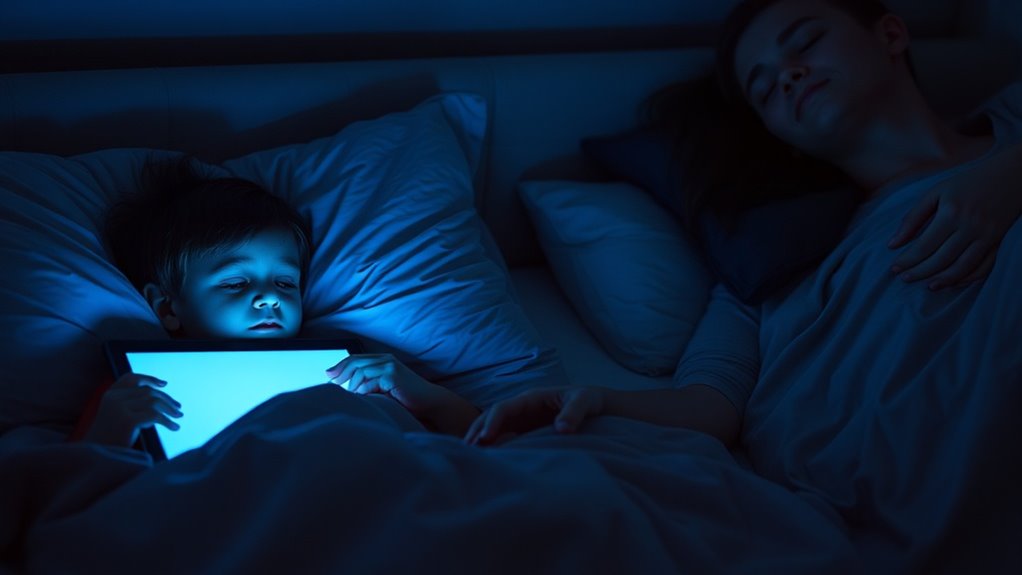
While both children and adults experience sleep disturbances from screen exposure, the effects are especially more severe in children due to their heightened biological sensitivity. Children are more vulnerable to blue light’s disruption of melatonin production, which impairs their ability to enter deep sleep stages. Studies show that excessive screen time before bed leads to significant reductions in REM and slow-wave sleep among children, impacting cognitive development and growth. Their developing brains are more susceptible to circadian rhythm disruptions caused by blue light, which can hinder learning and overall development. In contrast, adults typically experience delayed sleep onset and fragmented deep sleep, but the reductions in sleep duration and quality tend to be less pronounced. Limiting screen exposure in children has been shown to produce more substantial improvements in deep sleep quality, underscoring their greater sensitivity to blue light’s effects on sleep regulation.
Healthy Habits to Minimize Screen-Related Sleep Disturbances
Implementing healthy habits around screen use is essential for minimizing sleep disturbances related to electronic devices. Reducing screen time at least one hour before bed allows melatonin production to increase, directly improving sleep quality. Utilizing blue light filters, night mode, or blue blocker glasses effectively diminishes blue light exposure, helping to preserve circadian rhythms. Keeping electronic devices out of the bedroom minimizes temptations and prevents unnecessary blue light exposure during the night. Engaging in relaxing activities such as reading or meditation instead of screens supports a smoother changeover to sleep and enhances overall sleep hygiene. Establishing consistent digital curfews reinforces healthy sleep routines and reduces disturbances. These strategies collectively help maintain ideal melatonin levels and circadian alignment, which are vital for restorative sleep. Practicing these habits contributes considerably to improved deep sleep quality, ultimately fostering better overall health and daytime functioning.
Strategies for Creating a Sleep-Friendly Evening Routine
Creating a sleep-friendly evening routine involves establishing consistent habits that signal your body it’s time to wind down. Starting your bedtime routine 30-60 minutes before sleep helps reinforce this cue. Incorporate relaxing activities such as reading a physical book, listening to calming music, or practicing deep breathing exercises, all of which avoid screen exposure. Using device settings like night mode or blue light filters can further reduce blue light exposure, which suppresses melatonin production—the hormone essential for sleep regulation. Keeping electronic devices out of the bedroom minimizes temptation and disruptions, promoting a more restful environment. Avoid stimulating activities like checking emails or social media during this period, as they hinder the progression into sleep. By aligning your routine with these evidence-based strategies, you support your body’s natural circadian rhythms and enhance your chances of achieving deep, restorative sleep.
The Role of Brightness and Color Settings in Sleep Quality
Adjusting your device’s brightness and color settings in the evening can play a essential role in maintaining sleep quality, as these factors directly influence melatonin production. High brightness levels and blue light exposure suppress melatonin, delaying sleep onset. Conversely, lowering brightness and activating features like night mode shift display colors toward warmer hues, which emit less blue light and are less disruptive to your circadian rhythm. Using warm color settings, such as red or orange tones, minimizes blue light exposure, supporting natural melatonin secretion. Consistently adjusting these settings based on the time of day helps preserve your body’s circadian patterns and promotes quicker sleep.
- Dim your screen brightness to reduce blue light exposure
- Enable night mode to shift display toward warmer colors
- Opt for warm color settings like red or orange
- Limit screen use before bedtime to minimize melatonin suppression
- Adjust brightness according to ambient lighting to support natural sleep cues
Scientific Evidence Linking Screens to Deep Sleep Disruption
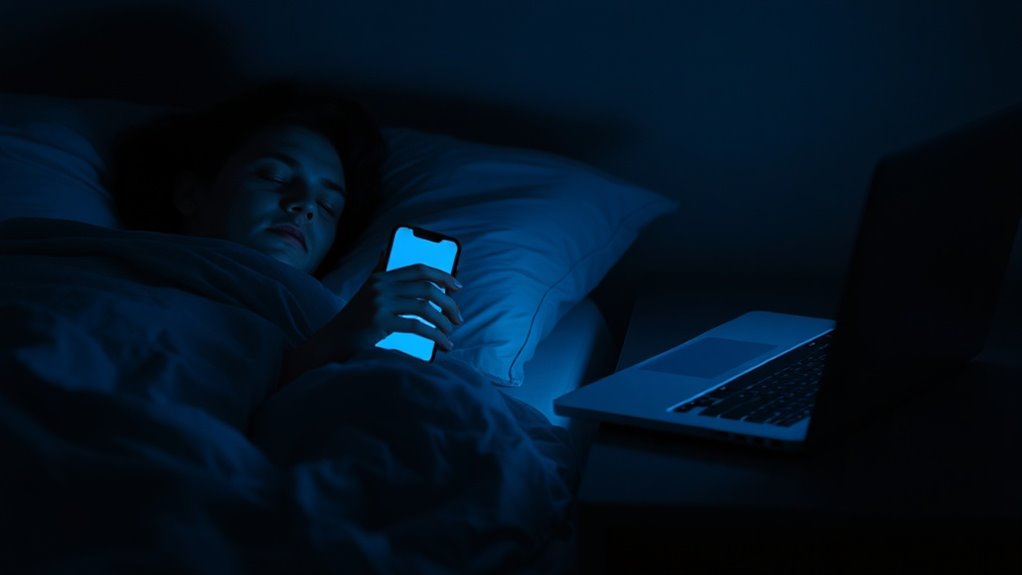
Scientific studies have consistently demonstrated that exposure to blue light from screens before bedtime considerably disrupts deep sleep processes. Blue light suppresses melatonin production by up to 90 minutes, delaying sleep onset and reducing the amount of deep sleep achieved. Randomized controlled trials reveal that blocking blue light in the evening significantly improves both the duration and quality of REM and slow-wave sleep, essential components of deep sleep. Research shows that individuals using screens before bed experience lower proportions of deep sleep stages compared to those who avoid electronic devices during night hours. This disruption is closely linked to alterations in circadian rhythm, which governs the sleep-wake cycle and deep sleep initiation. Scientific evidence supports that reducing blue light exposure in the evening can restore normal deep sleep patterns, leading to enhanced sleep architecture and cognitive functioning. These findings emphasize the importance of minimizing screen exposure before sleep for ideal deep sleep health.
Future Innovations and Recommendations for Better Sleep Hygiene
As technological advancements continue, innovative solutions are emerging to enhance sleep hygiene by minimizing blue light exposure from screens. These developments aim to optimize sleep quality by supporting natural circadian rhythms. Future innovations include personalized sleep hygiene apps that monitor light exposure and recommend device usage times aligned with individual circadian patterns. Advances in display technology are focused on creating screens that emit minimal blue light or utilize alternative wavelengths less disruptive to sleep. Wearable devices are also being explored to track exposure and provide real-time alerts for habit adjustments, fostering healthier screen use behaviors. Additionally, education campaigns and industry regulations are set to promote sleep-friendly device features, encouraging widespread adoption. Incorporating these strategies can appreciably improve sleep hygiene by reducing blue light’s impact on melatonin production.
- Blue light filtering glasses and settings
- Personalized light exposure monitoring apps
- Sleep-friendly display innovations
- Wearable light exposure trackers
- Industry guidelines for healthier device design
Common Questions
Can Using Blue Light Glasses Improve Deep Sleep Quality?
Blue light glasses can improve your sleep quality by reducing exposure to blue light, which disrupts circadian rhythms. They offer eye protection during evening screen time, helping to maintain healthy sleep hygiene. While they aren’t a cure-all, evidence suggests that wearing blue light glasses can lessen sleep disruptions caused by screens, promoting deeper sleep. Incorporating these glasses into your routine may support better rest and overall circadian balance.
How Does Screen Time Affect Sleep in Teenagers Differently?
You might notice that screen time impacts teenagers differently because of adolescent hormonal changes, peer influence, and sleep cycle shifts. Teens often stay up late scrolling or texting, which can worsen academic stress and emotional regulation issues. This pattern delays sleep onset and reduces deep sleep quality, making it harder to wake refreshed. The combination of hormonal surges and social pressures makes teenagers more vulnerable to screen-related sleep disruptions.
Are There Specific Apps or Settings That Reduce Blue Light Exposure?
Yes, you can use apps with blue light filters or built-in sleep mode settings to reduce blue light exposure. Screen filters and brightness adjustment tools help minimize eye strain and melatonin suppression. App timers limit usage before bed, promoting better sleep hygiene. Many devices now offer automatic blue light filters that activate at night, making it easier to protect your deep sleep without manual adjustments.
Does Nighttime Screen Use Impact Sleep Quality Beyond Melatonin Suppression?
Imagine scrolling through your phone late at night, and your sleep becomes fragmented, with frequent awakenings disrupting your sleep cycles. Nighttime screen use impacts sleep quality beyond melatonin suppression by disturbing circadian rhythms, causing REM suppression and increased stress levels. This can lead to poorer overall sleep health, affecting mood, cognition, and recovery. Evidence shows that even without melatonin interference, screens can profoundly impair deep, restorative sleep.
What Are the Long-Term Health Consequences of Disrupted Deep Sleep From Screens?
Disrupted deep sleep from screens can lead to long-term health issues like chronic fatigue, hormonal imbalance, and immune suppression. Over time, you might experience cognitive decline and metabolic problems, including weight gain and insulin resistance. These effects result from impaired restorative processes during deep sleep, which are essential for hormone regulation and immune function. Consistently poor sleep quality increases your risk of serious health conditions, underscoring the importance of minimizing screen exposure before bed.
Summary
Think of your sleep as a delicate garden, easily disturbed by the harsh light of screens. By understanding how blue light suppresses melatonin and disrupts deep sleep, you can choose healthier habits and device settings. Implementing a calming evening routine acts like tending to your garden, fostering better rest. Prioritizing sleep hygiene isn’t just advice—it’s an investment in your well-being, ensuring your nightly rest remains a nourishing sanctuary rather than a battleground against technology.