
Relaxation practices activate your parasympathetic nervous system, reducing cortisol levels caused by stress. Elevated cortisol disrupts hormonal balance, affecting reproductive, thyroid, and metabolic hormones. Techniques like deep breathing, meditation, visualization, yoga, and tai chi help modulate stress hormones and support endocrine health. Consistent practice restores hormonal feedback loops, promotes relaxation, and maintains healthy hormone levels. If you want to understand how these methods support your body’s hormonal harmony, more details await.
Key Takeaways
- Relaxation techniques reduce cortisol levels, preventing hormonal disruptions caused by chronic stress.
- Practices like meditation and deep breathing activate the parasympathetic nervous system, supporting hormonal regulation.
- Lower cortisol levels facilitate balanced production of reproductive, thyroid, and metabolic hormones.
- Mind-body activities enhance hormone secretion, such as oxytocin and growth hormone, promoting overall endocrine health.
- Consistent relaxation practices improve sleep and reduce inflammation, thereby stabilizing hormone rhythms and function.
The Connection Between Stress and Hormonal Health
Chronic stress activates the hypothalamic-pituitary-adrenal (HPA) axis, resulting in elevated cortisol levels that can disrupt the delicate balance of hormonal regulation. Elevated cortisol interferes with the production and function of fundamental hormones, including reproductive, thyroid, and metabolic hormones, impairing overall hormonal health. Persistent stress-induced cortisol elevation suppresses sex hormones such as estrogen, progesterone, and testosterone, which can negatively affect mood, energy, and reproductive function. Maintaining hormonal balance is essential for health, but ongoing stress hampers this process. Incorporating relaxation techniques, such as mindfulness and deep breathing, can help reduce cortisol levels and restore hormonal feedback loops. By mitigating the activation of the HPA axis, these practices support the stabilization of hormone levels, promoting better hormonal regulation. Addressing stress through effective techniques is key for preserving hormonal health and preventing the adverse effects associated with chronic stress.
How Relaxation Techniques Activate the Parasympathetic Nervous System
Relaxation techniques influence the nervous system by actively engaging the parasympathetic branch, primarily through stimulation of the vagus nerve. This activation enhances parasympathetic nervous system tone, promoting a state of calm and recovery. Techniques such as deep breathing and meditation slow heart rate and lower blood pressure, signaling the body to shift from the stress response to rest. Progressive muscle relaxation reduces muscle tension, further supporting vagal activity and decreasing cortisol levels. Visualization and guided imagery engage specific brain regions associated with calmness, facilitating neurochemical changes that favor relaxation. These practices increase the production of neurochemicals like acetylcholine and GABA, which bolster parasympathetic activation. The result is a dampening of the stress response, with decreased cortisol and improved autonomic balance. By stimulating the vagus nerve, relaxation techniques effectively shift physiological states from stress to restoration, supporting hormonal health and overall well-being.
The Role of Cortisol Regulation in Hormone Balance
Regulation of cortisol levels is essential for maintaining overall hormone balance, as this glucocorticoid hormone governs blood sugar, immune response, and metabolism. When cortisol is chronically elevated due to stress, it can disrupt other hormones like estrogen and progesterone, impairing reproductive and metabolic health. Effective stress management through relaxation practices aids in hormone regulation by reducing cortisol production. Visualize:
- The adrenal glands releasing cortisol during stress
- Elevated cortisol causing inflammation and sleep disturbances
- Relaxation techniques activating the parasympathetic response
- Lower cortisol supporting balanced hormone production
Mindfulness Meditation and Its Impact on Stress Hormones
Research indicates that mindfulness meditation can effectively modulate stress hormones by influencing the activity of the hypothalamic-pituitary-adrenal (HPA) axis. Regular practice reduces cortisol levels, the primary stress hormone, thereby supporting hormonal balance. This relaxation practice enhances parasympathetic nervous system activity, promoting physiological relaxation and counteracting sympathetic dominance associated with stress. Evidence shows that mindfulness meditation decreases pro-inflammatory gene expression, which is linked to chronic stress and elevated stress hormones. Additionally, mindfulness-based stress reduction (MBSR) programs have demonstrated significant reductions in physiological stress markers, including adrenaline and norepinephrine. Consistent engagement in mindfulness meditation helps stabilize cortisol rhythms, leading to improved hormonal regulation. By integrating these relaxation practices into your routine, you can achieve better stress reduction, which directly contributes to maintaining healthy stress hormone levels and overall hormonal balance. This evidence-based approach underscores mindfulness meditation’s role in managing stress-related endocrine disruptions.
Deep Breathing and Its Effects on Endocrine Function
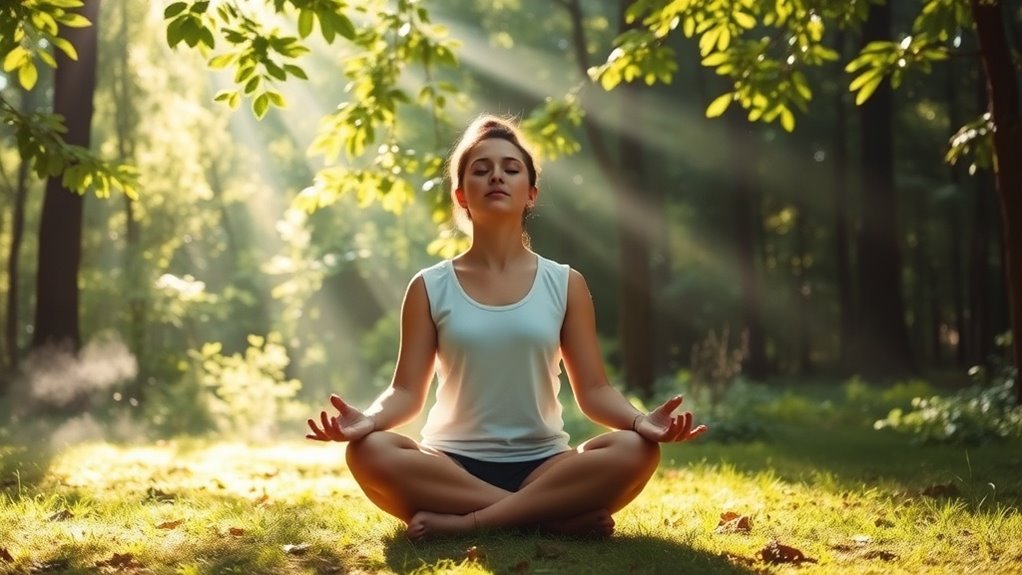
Deep breathing exercises activate the parasympathetic nervous system, facilitating physiological relaxation and influencing endocrine function. This process reduces stress hormones like cortisol and adrenaline, supporting hormone regulation across various glands. Regular practice enhances vagus nerve stimulation, which plays a vital role in modulating inflammation and hormonal balance. Visualize:
Deep breathing calms the nervous system, reduces stress hormones, and promotes hormonal balance throughout your body.
- Taking slow, deep breaths that expand your diaphragm fully
- Noticing your heart rate slowing and blood pressure stabilizing
- Feeling tension melt away as your stress response diminishes
- Observing cortisol levels decrease, fostering a calmer hormonal environment
These physiological responses improve endocrine function by promoting hormonal stability, especially in the thyroid and reproductive systems. Deep abdominal breathing, in particular, amplifies vagus nerve activity, directly impacting hormonal regulation. Consequently, consistent deep breathing can support overall hormonal health and mitigate the effects of chronic stress on your endocrine system.
Body Scan Practices for Reducing Muscle Tension and Hormonal Disruption
Engaging in body scan practices involves systematically directing your attention to individual muscle groups to facilitate physical relaxation. This technique enhances body awareness, allowing you to recognize areas of muscle tension linked to stress. As you consciously relax muscles during the scan, the parasympathetic nervous system is activated, which reduces cortisol levels and supports hormonal balance. Regular practice diminishes hyperarousal and muscle tightness, decreasing the likelihood of hormonal disruption. To visualize the process:
| Muscle Group | Tension State | Relaxation Response |
|---|---|---|
| Neck & Shoulders | Tight | Loosened, relaxed |
| Chest & Abdomen | Stiff | Softened, calm |
| Legs & Feet | Sore | Restored, relaxed |
This systematic release diminishes stress-induced muscle tightness, promotes relaxation, and positively influences hormones like melatonin and growth hormone, ultimately supporting overall endocrine health.
Visualization Methods to Support Reproductive and Growth Hormones
Visualization techniques can actively promote hormonal balance by fostering relaxation and lowering cortisol levels that disrupt reproductive and growth functions. Focused mental imagery on calming, hormone-supportive environments can stimulate neural pathways linked to endocrine regulation. Regular practice may enhance secretion of hormones like estrogen, progesterone, and growth hormone, supporting overall reproductive health.
Visualizing Hormonal Balance
When practiced consistently, visualization techniques can effectively support hormonal balance by activating the parasympathetic nervous system, which promotes relaxation and reduces cortisol levels. By engaging in targeted mental imagery, you can enhance hormone regulation, supporting reproductive hormones like estrogen and progesterone, as well as growth hormone production. Visualizing a balanced, harmonious hormonal system fosters relaxation and stress reduction, directly influencing endocrine function. Imagine:
- A radiant, healthy reproductive system flowing with balanced hormones
- A steady stream of growth hormones supporting tissue repair
- Calm, gentle waves reducing inflammation and oxidative stress
- A harmonious hormonal cycle regulating mood and energy
These visualizations help stimulate the parasympathetic nervous system, optimizing hormonal balance and cellular health through focused mental imagery.
Creating Calming Imagery
Creating calming imagery involves deliberately constructing mental scenes that evoke tranquility and relaxation, thereby activating the parasympathetic nervous system. Scientific evidence indicates that mental imagery, such as visualizing natural environments like forests or beaches, enhances stress reduction and supports hormone balance. These calming imagery techniques stimulate brain regions linked to hormone secretion, promoting the production of reproductive and growth hormones like oxytocin and growth hormone. By reducing cortisol levels through guided imagery focused on nurturing and healing, you can mitigate stress-induced suppression of essential hormones. Regular practice of calming imagery not only fosters hormonal harmony but also enhances emotional well-being by increasing endorphin levels. Implementing these visualization methods effectively engages the parasympathetic nervous system, underpinning their role in stress management and hormonal regulation.
Yoga and Tai Chi as Movement-Based Stress Reduction Strategies
Practicing yoga and Tai Chi enhances flexibility, balance, and muscular strength, which can improve physical resilience to stress. These activities foster a strong mind-body connection, supporting better regulation of the nervous and endocrine systems. Consequently, regular engagement in these movement-based practices contributes to overall relaxation and hormonal equilibrium.
Enhancing Flexibility and Balance
Engaging in yoga and Tai Chi can considerably enhance flexibility and balance by integrating rhythmic breathing with flowing postures that activate the parasympathetic nervous system. These practices promote musculoskeletal health and improve posture, directly supporting mobility and reducing age-related decline. You might visualize:
- Gently stretching limbs through controlled shifts
- Maintaining steady, centered postures that foster stability
- Engaging core muscles to support spinal alignment
- Moving smoothly to strengthen joints and soft tissues
Research shows that regular practice enhances flexibility and balance, preventing falls and supporting overall musculoskeletal function. By fostering better muscle coordination and joint range of motion, these movement-based strategies help sustain functional independence and resilience, while also modulating stress hormones like cortisol, contributing to improved hormonal regulation.
Promoting Mind-Body Connection
Because both yoga and Tai Chi incorporate slow, rhythmic movements combined with focused breathing, they activate the parasympathetic nervous system, promoting relaxation and reducing stress hormones like cortisol. These relaxation practices enhance the mind-body connection by increasing body awareness and fostering mindfulness, which helps you recognize tension and release muscle tightness associated with stress. Improved autonomic balance, evidenced by increased heart rate variability, supports resilience to stressors. Additionally, practices like yoga and Tai Chi elevate GABA levels, decreasing anxiety and improving mood. By strengthening the mind-body connection, these movement-based stress reduction strategies facilitate stress reduction and hormonal regulation, contributing to overall health. This integration of physical movement and focused awareness underscores their role in promoting hormonal harmony and physiological well-being.
Incorporating Relaxation Into Daily Routines for Long-Term Hormonal Stability
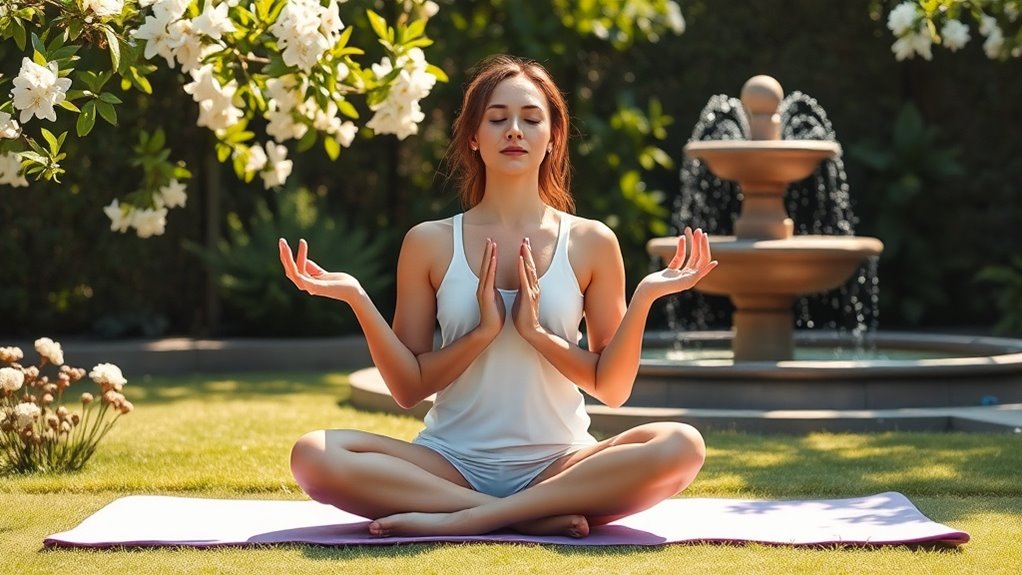
Incorporating relaxation techniques into your daily routine is a practical strategy for promoting long-term hormonal stability. Consistent practice of methods like deep breathing, meditation, or body scans can effectively reduce cortisol levels, supporting balanced hormone production. These techniques serve as essential tools for stress management, directly influencing sleep quality—a critical factor in endocrine health. When relaxation becomes part of your daily routine, it helps lower inflammation and oxidative stress, which can impair hormonal function over time. Additionally, regular relaxation reinforces your body’s natural hormonal rhythms, aiding in mood regulation, energy levels, and overall endocrine balance. Visualize your daily routine as a foundation for hormonal health, where:
Incorporate daily relaxation to support hormonal balance and reduce stress-related health impacts.
- Deep breaths calm your nervous system
- Meditation fosters mental clarity
- Body scans release muscular tension
- Consistent routines support restorative sleep
The Benefits of Consistent Relaxation Practice on Ageing and Cellular Resilience
Consistent relaxation practices such as mindfulness and meditation have been shown to positively influence cellular aging processes by enhancing telomerase activity, which helps preserve or lengthen telomeres—the protective caps at the ends of chromosomes. Longer telomeres are associated with reduced cellular aging and improved cellular resilience. These practices also lower oxidative stress and inflammation, key drivers of cellular rust and aging. Reduced oxidative damage supports the integrity of cellular functions and promotes healthier aging. Additionally, regular relaxation lowers cortisol levels, preventing hormone imbalances that impair cellular repair mechanisms. By stabilizing hormone levels, relaxation practices reinforce the body’s capacity for cellular maintenance and immune function. Evidence indicates that sustained relaxation routines slow telomere shortening, thereby supporting longevity and cellular health. Incorporating consistent relaxation techniques enhances the body’s natural ability to repair cells, resist oxidative damage, and maintain hormone balance, ultimately fostering resilience at the cellular level and contributing to healthier aging.
Common Questions
What Is the 5 Step Relaxation Technique?
The 5-step relaxation technique involves mindful breathing to activate the parasympathetic nervous system, followed by progressive relaxation of muscles. You then use visualization techniques or guided imagery to enhance calmness, perform a body scan to identify tension, and incorporate aromatherapy for sensory grounding. This evidence-based method systematically reduces stress, lowers cortisol, and promotes hormonal balance, with each step contributing to an all-encompassing mind-body relaxation experience in just 5-10 minutes.
How to Relax Stress Hormones?
To relax stress hormones, you should incorporate evidence-based techniques like mindful breathing, guided imagery, and progressive muscle relaxation. Aromatherapy can enhance relaxation, while biofeedback sessions help you gain control over physiological responses. Regular meditation practices, including mindfulness and guided visualization, effectively reduce cortisol and adrenaline levels. Consistently practicing these methods activates the parasympathetic nervous system, thereby decreasing stress hormone secretion and promoting hormonal equilibrium.
How to Reset Your Hormones in 7 Days?
Reset your hormones in 7 days? Easy! Just master mindful breathing and stick to good sleep hygiene—who knew consistent routines could be so powerful? Add herbal supplements and aromatherapy benefits for extra support, and don’t forget gratitude journaling and meditation routines for emotional balance. These evidence-based strategies stimulate hormonal regulation by reducing cortisol and enhancing melatonin, helping your body recalibrate efficiently. It’s surprisingly straightforward—your hormones just need a mindful nudge.
What Is the Best Exercise for Hormone Balance?
The best exercise for hormone balance combines moderate-intensity aerobic routines like brisk walking or cycling with strength training. These support menstrual health, adrenal support, and thyroid regulation by managing cortisol levels and promoting emotional well-being. Consistent exercise routines enhance stress resilience, optimize hormonal regulation, and improve overall health. Incorporating yoga or tai chi can further reduce stress hormones, fostering a balanced endocrine system essential for long-term hormonal harmony.
Summary
Incorporating relaxation practices into your daily routine can ensure hormonal balance by activating the parasympathetic nervous system and regulating cortisol levels. Scientific evidence shows that techniques like mindfulness, deep breathing, and movement therapies reduce stress hormones, promoting overall endocrine health and cellular resilience. While it may seem like a tall order, consistent practice ensures long-term benefits, proving that you can’t afford to wait until the cows come home to prioritize your hormonal well-being.