
Natural scents like lavender, chamomile, and citrus activate your brain’s emotional centers, helping you feel calmer and more balanced. These aromas travel directly to the limbic system, influencing neurotransmitters like GABA and serotonin to reduce stress and promote relaxation. Using scents mindfully—through diffusers, topicals, or candles—can create a soothing environment that supports better sleep and emotional wellbeing. If you explore further, you’ll discover even deeper ways these aromas can nurture your mind and body.
Key Takeaways
- Natural scents activate the limbic system, triggering emotional responses that promote relaxation and emotional stability.
- Aromatic molecules influence neurotransmitters like GABA and serotonin, reducing stress and enhancing mood.
- Diffusing calming essential oils helps lower stress hormones, slow heart rate, and support restful sleep.
- High-quality, pure scents support physical and emotional wellbeing by safely engaging the brain’s natural relaxation pathways.
- Fragrance-based routines foster mental clarity, comfort, and resilience through positive sensory experiences.
The Connection Between Scent and Emotional Wellbeing
Since your sense of smell is directly connected to the limbic system—the brain’s emotional center—you can experience shifts in mood almost instantly through scents. The olfactory system transmits signals from natural scents like lavender or chamomile straight to areas involved in emotion, memory, and behavior. When you inhale these aromatic compounds, they activate neural pathways that encourage relaxation, happiness, and calmness, often without your conscious awareness. This direct connection explains why scent memories are so powerful—they bypass rational thought and trigger emotional responses through the hippocampus and amygdala. Incorporating natural scents into your daily routine can enhance emotional wellbeing by helping regulate mood and reduce stress hormones like cortisol. Whether it’s the soothing aroma of jasmine or fresh herbs, these scents work holistically to anchor you in a calmer, more balanced state. Embracing natural scents isn’t just pleasant; it’s a scientifically supported way to nurture your emotional health.
How Essential Oils Influence Brain Chemistry
When you breathe in essential oils, their aromatic molecules travel through your olfactory system straight to the limbic area of your brain, impacting your emotions and mood. These scents can also influence neurotransmitter activity, like boosting GABA or serotonin levels, helping to ease stress and promote calm. By engaging these neural pathways, essential oils can subtly reshape your brain chemistry to support relaxation and emotional balance.
Olfactory Pathways Activation
Essential oils release aromatic molecules that travel swiftly through your nasal cavity, activating specialized olfactory receptors. These receptors send signals directly to the olfactory bulb, which connects to key brain areas like the limbic system—your emotional and memory center. This direct pathway allows scents to influence your brain chemistry quickly, modulating neurotransmitters such as GABA, serotonin, and dopamine. When you breathe in calming essential oils, this activation can promote relaxation, reduce stress, and improve mood by gently shifting neurotransmitter levels. The olfactory pathway’s unique connection to emotional centers explains how a simple scent can evoke feelings of peace or alertness. By engaging this system consciously, you tap into a powerful, holistic way to support your emotional well-being naturally.
Neurotransmitter Modulation Effects
As you breathe in the soothing aroma of lavender or jasmine, the tiny molecules in these oils can do more than just please your senses—they interact directly with your brain chemistry. These aromatic compounds, like linalool and benzyl acetate, influence GABA receptors, enhancing neurotransmitter modulation that promotes calming effects. When inhaled, they penetrate the blood-brain barrier, altering neurotransmitter release and activity, which helps reduce neuronal excitability. This neurochemical influence mimics the effects of anti-anxiety medications by increasing GABAergic activity, calming your nervous system and easing stress. Similarly, citrus scents like limonene can boost serotonin levels, supporting emotional balance. These natural scents work holistically to support relaxation by subtly shifting neural pathways, offering a gentle, evidence-based way to nurture your mental and emotional well-being.
Limbic System Engagement
Inhaling the scent of natural oils directly engages your limbic system, the brain’s emotional and memory center, shaping how you feel in the moment. The olfactory pathway carries aromatic molecules to the limbic system, triggering neurochemical responses that influence your mood. Scents like lavender and bergamot can modulate neurotransmitters such as GABA and serotonin, promoting relaxation and reducing stress. Because the limbic system connects to the hypothalamus, natural scents can also impact physiological responses like lowering cortisol levels and regulating heart rate. This direct olfactory-limbic engagement allows natural aromas to evoke calming emotional reactions, making scent a powerful tool for fostering relaxation and emotional well-being. Your brain’s response to scent becomes a gateway to calming your mind and body naturally.
Calming Aromas That Promote Relaxation and Stress Relief
Surrounding yourself with calming scents like lavender, chamomile, or cedarwood can create a peaceful atmosphere that soothes your mind and body. These natural aromas work by activating your limbic system and parasympathetic nervous system, helping to lower stress hormones and slow your heart rate. Incorporating these fragrances into your space can foster a sense of tranquility and support restful relaxation.
Essential Oils for Calm
Calming essential oils like lavender, chamomile, and ylang-ylang are powerful tools for creating a tranquil environment that soothes your mind and body. Their calming properties stem from compounds like linalool and limonene, which have been shown to reduce anxiety and promote relaxation. When you inhale these essential oils, they activate GABA receptors in your brain, similar to anti-anxiety medications, enhancing feelings of calm. Diffusing lavender, for example, can lower cortisol levels and slow your heart rate, supporting stress relief. The gentle aroma of bergamot and vetiver further enhances your mood and alleviates tension. Incorporating these natural essential oils into your routine can cultivate a serene atmosphere, fostering mental clarity and physical relaxation through their proven calming effects.
Creating Relaxing Spaces
Creating relaxing spaces involves more than just placing calming scents nearby; it’s about thoughtfully designing an environment that nurtures your senses and promotes serenity. Incorporate natural scents like lavender, cedarwood, bergamot, or chamomile through diffusers or candles to activate your parasympathetic nervous system, encouraging stress relief. Enhance your space with fresh herbs like verbena or rosemary for gentle, natural aromas that deepen calm. Use natural scented candles made from beeswax or coconut wax to create a soothing ambiance. Envision this:
| Soft lighting & cozy cushions | Aromatic herbs & candles |
|---|---|
| Gentle sounds & mindful breaths | Natural scents that nurture |
This holistic approach transforms your space into a sanctuary for mental clarity and relaxation.
The Role of the Limbic System in Scent-Induced Calmness
Because the limbic system is directly connected to the olfactory bulb, the scents you breathe in can have a profound impact on your emotional state. When you inhale natural fragrances, signals from your olfactory receptors travel straight to the limbic system, which controls your emotions and memory. This direct pathway allows scent-induced calmness to occur swiftly, as certain aromas activate parts of the limbic system like the amygdala and hippocampus, promoting relaxation and reducing stress. Essential oils with soothing compounds interact with limbic system receptors, enhancing feelings of well-being. Additionally, because the limbic system links scent perception with emotional memories, familiar natural fragrances can evoke comforting feelings rooted in past experiences. This connection explains why specific scents easily induce a sense of calm, grounding you in the present moment and fostering a holistic sense of peace. Your sense of smell becomes a powerful tool for emotional regulation and relaxation.
Natural Scents Versus Synthetic Fragrances: What’s More Effective?
When comparing natural scents to synthetic fragrances, you might notice that essential oils offer a purer, more complex composition that preserves therapeutic compounds. Scientific studies show that these natural scents are more effective at promoting relaxation and emotional balance than their synthetic counterparts. By choosing pure essential oils, you can harness their proven calming benefits while reducing exposure to potentially harmful chemicals found in synthetic fragrances.
Purity and Composition
Natural scents, derived from essential oils, are often prized for their complex phytochemicals that deliver genuine therapeutic effects, unlike synthetic fragrances which rely on artificial chemicals. The composition of these oils reflects the plant’s natural profile, ensuring purity and authenticity. When you choose essential oils, you benefit from:
- Authentic aroma due to true plant phytochemicals
- Higher therapeutic potency from natural chemical profiles
- Reduced exposure to harmful chemicals like phthalates and parabens
- Support for environmental sustainability through natural extraction methods
Essential oils are extracted through methods like steam distillation or cold pressing, preserving purity and complex composition. Synthetic fragrances, by contrast, are lab-made, often containing petroleum-based compounds that can disrupt hormones and irritate skin. Natural scents offer a safer, more genuine sensory experience.
Therapeutic Benefits
While the purity of natural scents stems from their authentic plant-derived phytochemicals, their true value lies in the therapeutic benefits they offer. Natural essential oils like lavender and bergamot contain bioactive compounds proven to reduce stress, anxiety, and improve sleep quality. These oils engage your senses with complex aromatic profiles that deliver targeted health benefits, unlike synthetic fragrances which often lack medicinal properties. Synthetic scents may also contain harmful chemicals like phthalates and parabens, risking hormonal disruptions and skin irritation. In contrast, natural scents are generally safer and more effective at influencing neurochemical pathways that positively affect mood and stress levels. By choosing natural essential oils, you’re tapping into a holistic way to nurture your mind and body through the power of authentic, therapeutic scents.
Incorporating Aromatherapy Into Daily Self-Care Practices
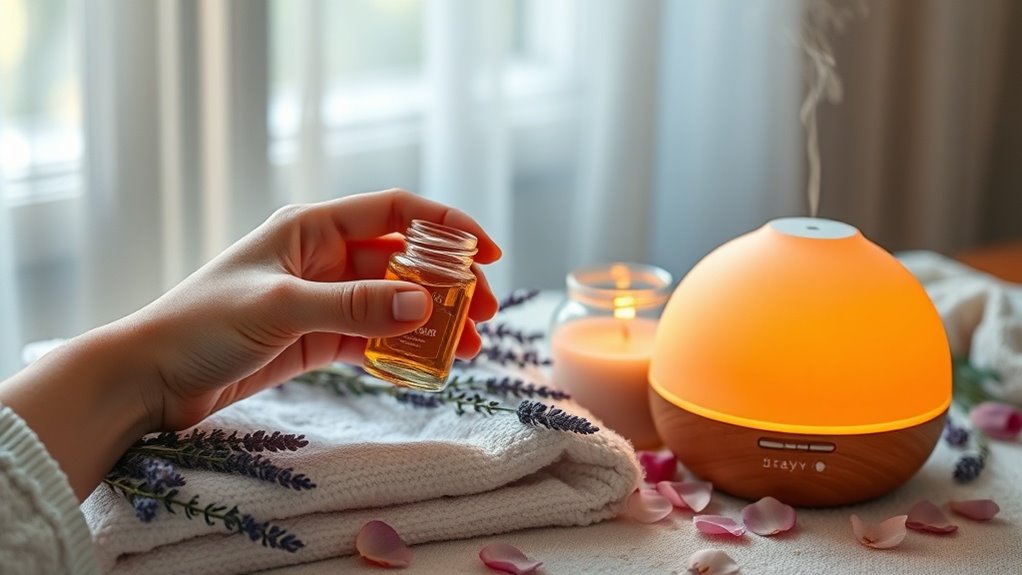
Incorporating aromatherapy into your daily self-care routine can be a simple yet powerful way to enhance relaxation and mindfulness. By consciously selecting natural ingredients like essential oils, you create uplifting or calming environments that support stress relief. Here are four ways to seamlessly integrate aromatherapy into your day:
- Use diffusers in the morning with citrus or peppermint to boost alertness and set a positive tone.
- Add calming scents like lavender or chamomile to your evening bath to promote restful sleep.
- Apply essential oils topically during stressful moments for quick stress relief.
- Carry portable options like solid perfumes or room sprays to adjust your mood on-the-go.
These practices condition your mind to associate specific aromas with relaxation, grounding you in mindfulness. With consistent use, natural scents can become a crucial part of your holistic self-care, nurturing your body and mind through simple, sensory-rich routines.
Practical Ways to Use Scents for Better Sleep and Restfulness
Using scents intentionally before and during sleep can profoundly enhance your restfulness by calming your nervous system and creating a peaceful environment. Diffusing calming essential oils like lavender or chamomile 30 minutes before bed can promote relaxation and improve sleep quality. Applying a few drops of essential oil onto your pillow or sleep mask allows for continuous inhalation of soothing scents throughout the night. Incorporate a calming scent routine, such as lighting a scented candle or using a room spray, to reduce anxiety and signal your brain it’s time to unwind. Additionally, using a nighttime body wash infused with relaxing scents can help you segue into restful sleep.
| Method | Description |
|---|---|
| Diffusing essential oils | Promotes relaxation and better sleep quality |
| Inhalation via pillow/mask | Sustains calming scent during sleep |
| Scented routines | Creates a peaceful atmosphere, reducing stress |
The Psychological Benefits of Fragrance in Enhancing Mood
Fragrance has a powerful impact on your emotional well-being because it activates the limbic system—the brain’s center for emotions and memory. When you breathe in natural scents like lavender or chamomile, neural pathways linked to feelings of calm and happiness are stimulated, producing immediate psychological benefits.
Here are four ways scents enhance your mood:
- They trigger positive memories, reinforcing feelings of comfort and safety.
- They influence neurotransmitter activity, boosting serotonin and reducing anxiety.
- They lower cortisol levels, decreasing stress and promoting emotional balance.
- They activate neural pathways that foster relaxation and mental clarity.
Choosing the Right Natural Scents for Your Personal Wellbeing
Choosing the right natural scents for your personal wellbeing involves more than just picking popular aromas; it requires tuning into your sensory preferences and emotional responses. Essential oils like lavender, bergamot, and cedarwood are renowned for their calming properties, but their effectiveness depends on how you personally connect with them. High-quality, pure essential oils deliver maximum therapeutic benefits and reduce the risk of skin irritation, so selecting reputable sources matters. Pay attention to how certain scents evoke positive memories or cultural associations, as these emotional ties can deepen their relaxing effects. Diffusing or applying scents in controlled amounts allows you to customize the experience to your sensitivities. Ultimately, trust your instincts and notice how different aromas influence your mood and relaxation levels. By aligning your choice with your personal preferences, you create a sensory environment that nurtures your emotional and physical wellbeing naturally.
Tips for Safe and Effective Use of Aromatherapy at Home
To guarantee you enjoy the benefits of aromatherapy safely at home, it’s essential to follow best practices for application and ventilation. Start by selecting high-quality, pure essential oils, and always adhere to recommended dilution guidelines to prevent skin irritation or adverse reactions. When diffusing, prioritize proper ventilation—open windows or use fans—to avoid respiratory irritation and ensure fresh airflow. Always conduct a patch test before applying essential oils topically, checking for allergies or sensitivities. Limit diffuser use to 30-60 minutes to prevent sensory overload, headaches, or dizziness. Keep essential oils out of reach of children and pets, and follow safety instructions on product labels.
Prioritize high-quality oils, ensure proper ventilation, limit diffuser time, and keep oils away from children and pets for safe aromatherapy.
Remember:
- Use high-quality essential oils for the best experience.
- Maintain proper ventilation while diffusing.
- Never overuse your diffuser.
- Prioritize safety around children and pets.
Common Questions
What Scent Relaxes the Mind?
Lavender is the scent that relaxes the mind most effectively. Its aromatherapy benefits include reducing anxiety and calming GABA receptors. You can try scent therapy techniques like diffusing lavender oil or applying it topically. Natural fragrance sources like lavender flowers or essential oils create a soothing environment, helping you unwind. This holistic approach harnesses the power of scent to promote mental clarity and relaxation, supporting your overall well-being.
What Scent Is Good for the Brain?
Your best bet for boosting brain power is citrus scents like lemon and orange. They’re proven to lower cortisol levels and sharpen mental clarity, making your mind feel fresh as a daisy. Aromatherapy benefits come through scent therapy techniques that combine essential oil blends to enhance focus and alertness. When you incorporate these scents into your routine, you tap into a holistic, evidence-based way to support brain health naturally—like hitting two birds with one stone.
Which Fragrance Is Best for Mind Relaxation?
Lavender essential oil is often considered the best for mind relaxation. Its calming fragrance, backed by aromatherapy, enhances GABA receptor activity, reducing anxiety and promoting restful sleep. The soothing scent creates a sense of tranquility, helping you unwind after a stressful day. Incorporating lavender or other calming essential oils into your routine can markedly support mental clarity and emotional balance through the power of natural, sensory-driven aromatherapy.
How Does Natural Scent Work?
You might think scent work’s just a fancy placebo, but aroma therapy actually activates your limbic system through natural aromatics, triggering calming responses. When you breathe in these scents, they influence neurotransmitters, reducing stress and enhancing mood. The scent therapy benefits aren’t just psychological; they’re rooted in evidence. So, next time you inhale that soothing aroma, you’re engaging in a holistic, sensory experience that genuinely relaxes your mind and body.
Summary
Embrace the gentle power of natural scents—they’re nature’s soothing whisper to your senses. By integrating calming aromas into your daily routine, you invite a symphony of relaxation that nurtures both mind and body. Isn’t it time you let nature’s subtle fragrances guide you toward greater peace? Trust in their scientifically supported ability to transform your well-being, turning everyday moments into a sanctuary of serenity and renewal. Your journey to holistic harmony begins with a breath.